When homeowners in Hutto start shopping for an AC installation, the conversations usually focus on the outdoor unit size and the thermostat. Both matter, but they are only half the story. The other half is what happens after the air leaves the system, how it moves through the ductwork, and whether the equipment can actually deliver the comfort it’s rated for.
I’ve lost track of how many times I’ve opened an attic or crawlspace and found ducts that look “fine” from a distance, but behave badly under load. A system can be properly sized and still feel weak if the duct design is wrong for the home, especially in Central Texas where summer humidity, solar gain, and long run times create constant pressure and airflow demands.
This is why a serious HVAC contractor in Hutto won’t treat ductwork as an afterthought. If you’re planning an AC installation in Hutto, or you’re dealing with stubborn hot rooms, noisy vents, or short cycling, understanding duct options and airflow is the difference between an installation that feels solid for years and one that keeps stealing your weekends.
Why duct design decides how “strong” your AC feels
Air conditioning is not just about cooling. It’s about moving conditioned air to the right spaces at the right rate, while maintaining stable pressure across the system. When ductwork is undersized, leaky, poorly laid out, or simply routed in a way that fights airflow, the fan has to work harder to push air through the restrictions. That creates symptoms you can feel quickly:
A living room that never matches the hallway temperature. Supply vents that blast hard air at first and then taper off. Humidity that creeps back in after the system runs for a while. Rooms with registers that seem to “thunder” while nearby rooms stay warm.
Some of that is comfort, but a lot of it is system behavior. If airflow is too low, coils can get less airflow than intended, which impacts dehumidification. If airflow is too high, the system may not remove moisture efficiently and can end up short cycling because the thermostat gets satisfied before the home is actually comfortable.
In my experience, you can’t fix these patterns with a thermostat tweak or by swapping the air filter. Sometimes you can improve them with careful adjustments, but a duct layout that doesn’t support the equipment and the home’s load is the root cause.
That’s exactly where AC repair in Hutto often intersects with AC installation. The repair may be a leaky seam, a disconnected flex duct, a failing blower motor, or a clogged filter. But the long-term fix often requires revisiting duct sizing, return placement, and airflow balance.
The duct choices you’ll actually run into
Most homes in Hutto fall into a few duct categories. Some are original construction choices from decades ago. Others are later upgrades where ductwork was added or modified when someone finished a room, converted a garage, or replaced an old system.
The duct “type” matters, but the installation details matter more. Still, here are the duct options homeowners commonly face, and what each one tends to do to airflow.
Typical duct options and how they behave
In practice, you’re usually choosing between sheet metal ducts, flex duct, and mixed systems (flex used for runs with sheet metal for main trunk lines). There are also ductless options, but since you asked specifically about duct options, I’ll focus on ducted systems.
A few common patterns I see:
- Rigid sheet metal ductwork: Usually offers better long-term performance when installed well, with fewer issues related to sagging or kinks. Flex duct (insulated): Can work fine, especially for short transitions, but it’s sensitive to installation quality. Poor support and long, tight bends can choke airflow. Mixed duct systems: Sheet metal in the main trunk, flex for runs to rooms. This is common when remodeling forces awkward paths. Attic duct runs: Common in Central Texas homes. Attics are hot, and the way ducts are insulated and sealed determines whether airflow stays conditioned.
If you’re hearing promises like “ducts aren’t a big deal” from anyone you’re considering hiring, that’s a red flag. The duct system is literally the delivery method for your cooling and your dehumidification. Treat it like a delivery system, not a decorative feature.
Manual J, then Manual D: the order that protects your comfort
I’ll be direct here, because it affects your money and your comfort: a good AC installation starts with load calculations, not guesswork.
- Manual J determines the cooling load for your home based on insulation, windows, orientation, shading, and real thermostat expectations. Manual D focuses on duct sizing and layout so the system can move air at the correct rates without starving the equipment.
When a contractor skips or weakens those steps, they often “make it work” by upsizing the equipment or by cranking up fan speeds later. Upsizing can sometimes cool, but it can also shorten run times, which tends to leave humidity behind. Cranking fan speeds can cause uneven comfort and noisy vents, and it can still fail to fix the bigger problem if the duct system is choking the flow.
I’ve visited homes where the outdoor unit was replaced, the new system ran longer, and the homeowner swore it felt worse. When we checked static pressure and duct performance, the airflow was constrained by duct restrictions and poor return design. The new system was trying to compensate for a duct system that couldn’t deliver the air the equipment needed.
This is why the best HVAC contractor in Hutto treats airflow as part of the engineered solution. Ductwork is not just “installed,” it’s verified.
Airflow basics you can feel, even without the math
Let’s translate duct design into everyday experience. When airflow is balanced, supply air arrives at registers in a consistent way. Return air pulls evenly from the spaces, which supports stable pressure inside the home. That stability reduces the “chase” effect where the system cools one area and then struggles elsewhere.
Airflow issues tend to show up in predictable ways:
- Short cycling can happen when the thermostat is satisfied quickly because the ducted delivery is uneven. The sensors cool down, but humid air and warm surfaces in other rooms lag behind. Weak airflow often comes from undersized ducts, restricted returns, or flex duct that has collapsed internally. Uneven temperatures commonly track with poor duct runs, missing or poorly located returns, or registers that are balanced incorrectly. Humidity staying high points to airflow mismatches across the coil or to systems that run too fast. Ductwork plays a role because airflow affects how the coil performs.
In Central Texas, humidity control matters as much as temperature. A home that hits 72 degrees on the thermostat but still feels clammy is not a success, and duct design is often where comfort gets lost.
Returns: the part people underestimate
Supply vents can be impressive, but the return side is where many installations quietly stumble. Returns affect system stability, comfort, and even how hard the blower has to work.
A return that’s too small, too far from certain rooms, or pulling from the wrong area can create pressure imbalances. That can lead to poor dehumidification and uneven airflow across the house. In some older duct systems, returns were designed for different equipment or different airflow needs. When homeowners replace the AC, they’re essentially changing the air delivery demands without rethinking the return paths.
One job I remember clearly: a family in Hutto complained that their upstairs bedrooms always felt warmer and the downstairs hallway always ran colder. The system wasn’t oversized for the home’s calculated load, and the filter was being changed on schedule. When we inspected the return system, we found that the upstairs return path was essentially “thin” and starved compared to the supply. The blower pushed air upstairs, but it had nowhere to pull back air evenly. The result was a house that behaved like it had an invisible door between levels.
Once we corrected return airflow paths and rebalanced the system, the temperature difference tightened up dramatically. The system also ran more steadily, which usually leads to better comfort and fewer calls for HVAC repair in Hutto.
Sealing and insulation: the unglamorous performance boosters
Duct leakage and duct heat gain can be brutal in an attic in Texas summer. Even small leaks matter when your system runs often. And even if your ducts aren’t leaking, heat transfer through uninsulated or poorly insulated ductwork can warm the air before it reaches the rooms. That reduces the effective cooling output.
Sealing is a judgment call that should be done carefully. It’s not just “duct tape solves it.” Good sealing uses materials appropriate for HVAC applications and pays attention to seams, joints, and transitions. Insulation should be consistent, with attention to where ducts cross joists, sit against framing, or run through temperature-varying spaces.
If you’re planning AC maintenance in Hutto, pay attention to the ductwork condition during seasonal tune-ups. Loose connections, stretched flex, and insulation gaps can develop over time. Catching those issues early is cheaper than troubleshooting comfort complaints after the system has been struggling for weeks.
What static pressure tells you, and why it matters
Static pressure is basically the “resistance” the blower faces as it pushes air through the ductwork and filters. It’s one of the most useful measurements for an installer to get right, because it tells you whether your ducts and system are cooperating.
When static pressure is too high, airflow suffers, and the system can underperform even if the temperature seems close at first. The coil may not receive the airflow it needs for efficient operation, which can reduce dehumidification. When static pressure is too low, you can end up with poor distribution and comfort problems, depending on the rest of the design.
A trustworthy contractor will measure it and use the results to make adjustments. If you hear “static pressure is too technical” or “we don’t measure that,” it’s worth asking why. Measuring and verifying airflow is one of the most practical ways to prevent the installation from turning into an expensive guessing game.
Ductwork layout trade-offs: the real world is messy
Even the best plan runs into existing constraints. Homes in Hutto may have tight framing bays, unexpected obstacles, finished ceilings, or duct routes that must navigate around plumbing, electrical, and structural elements. Remodels add another layer, especially when an addition changes how the home holds heat.
Here’s where installers earn their keep. Flex duct can be a reasonable solution for certain transitions if it’s installed with respect for airflow, and if the supporting structure prevents sagging. Long runs can be challenging, and kinks or tight bends can quietly ruin performance. That doesn’t mean flex is bad, it means installation details matter.
Sheet metal is often more stable over time, but it can be harder to route through remodel areas. The best systems often use a hybrid approach, where the trunk lines are stable and the short flex connections are done thoughtfully.
If you’re offered one rigid “duct policy” with no discussion of your home’s layout, be cautious. The duct system should fit the home, not the other way around.
A practical way to evaluate an AC installation proposal
If you’re talking to a HVAC contractor in Hutto about ductwork and airflow, you can ask questions that reveal whether they’re approaching the job like a performance system. You don’t need to know all the technical terms. You just need to notice whether they can explain how your home will be balanced.
Here are a few high-value questions to bring to the table:
- Will you perform load calculations for my home, and how will that influence equipment sizing? How will you determine duct sizes and airflow targets (Manual D or equivalent)? What will you measure during the install to verify airflow, such as static pressure? How will you address return air, especially for bedrooms or areas that tend to run warm? What sealing and insulation steps will you take for ducts in hot spaces like attics?
A persuasive contractor doesn’t hide behind jargon. They connect the details to real outcomes: more even comfort, better humidity control, quieter operation, and less risk of callbacks.
If the answers are vague, or if ductwork is treated like an optional add-on, you’re not just risking comfort. You’re risking a system that never really gets to perform at its best.
When ducts fail, the repair can be more than patching
Sometimes you do have duct issues that need repair, and they aren’t always as dramatic as “a duct fell off.” Flex ducts can develop internal restrictions from age and movement. Seams can open. Connections can loosen. In some cases, the ducts are physically intact, but the distribution is wrong because the system was designed without balanced airflow.
AC Repair in Hutto often includes the mechanical work: checking blower motors, pressure switches, refrigerant charge, or thermostat issues. But the ductwork component is frequently the difference between a temporary fix and a lasting solution.
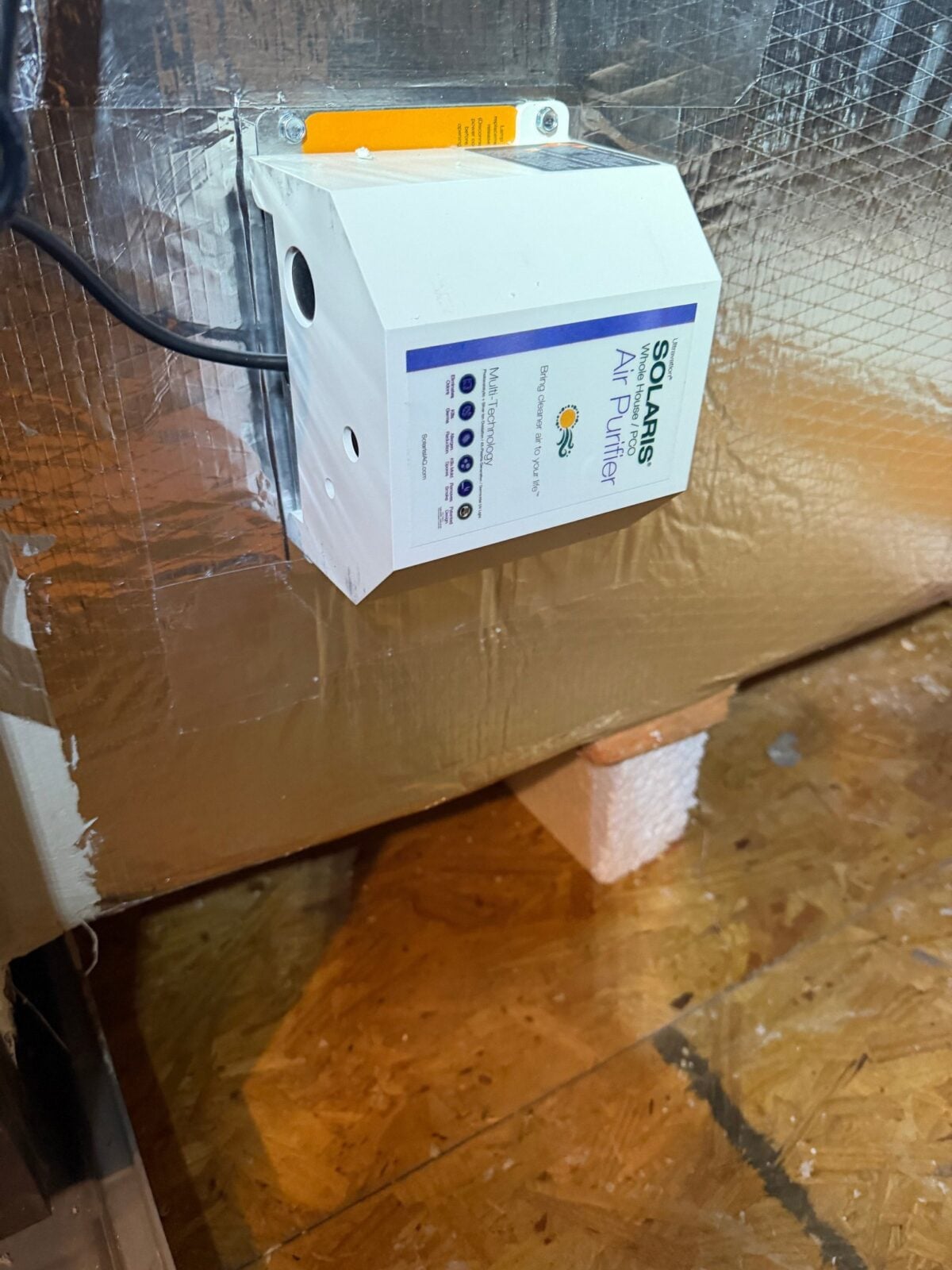
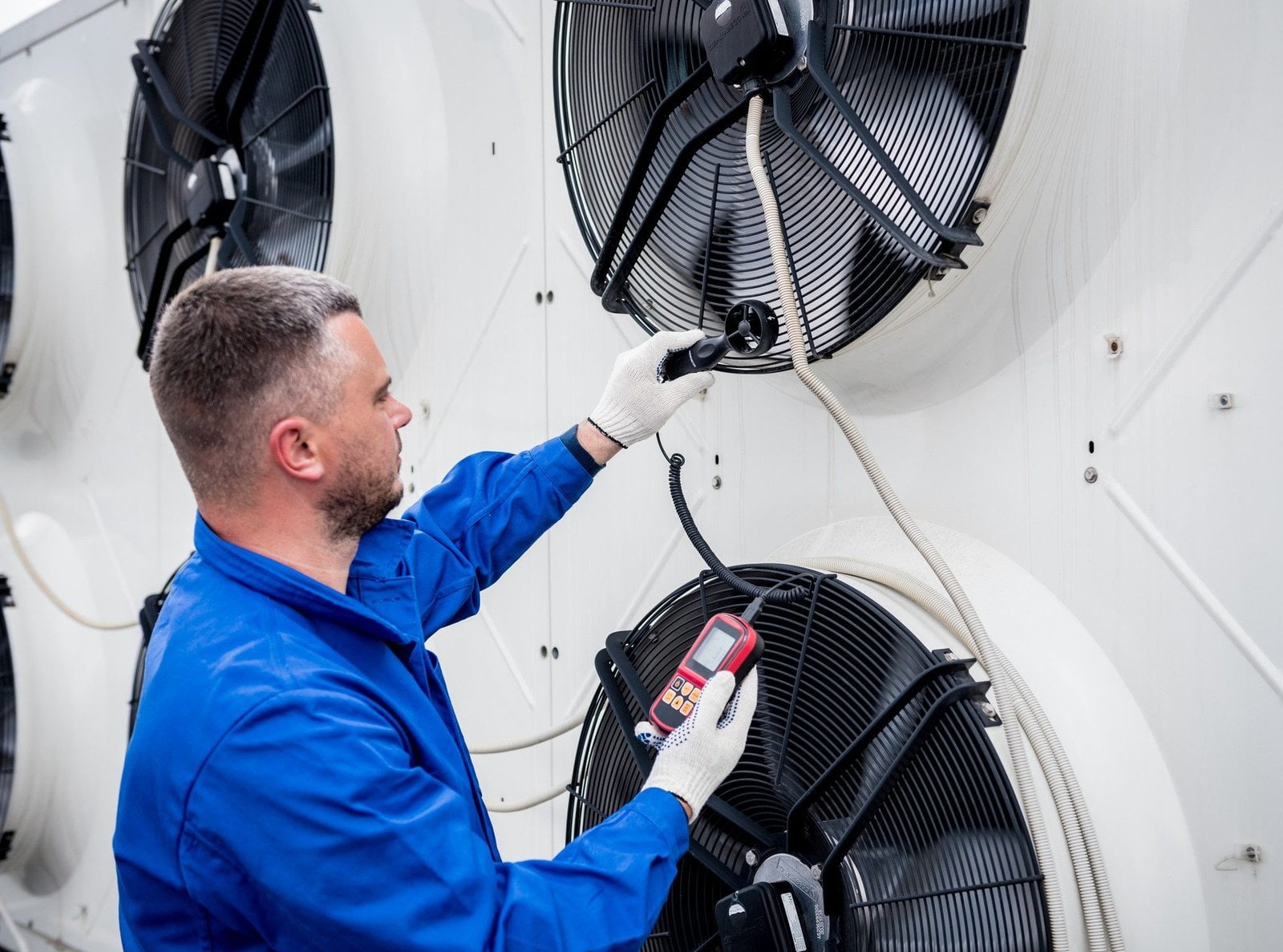
For example, if a homeowner calls because one room is always warm, the initial thought might be “the AC isn’t cooling enough.” After basic checks, it might turn out the register is underperforming because the duct run is restricted or the return isn’t supporting the airflow balance. Fixing that is more about duct troubleshooting and airflow balancing than it is about replacing a refrigerant part.
That’s why I recommend treating HVAC repair in Hutto as a full system diagnosis, not a single-part replacement approach. If a contractor only checks what’s easiest to access, you’ll pay repeatedly.
The comfort payoff of a duct system that’s actually matched
When ductwork is designed and installed correctly for airflow, the benefits show up fast, but they also build over time.
The air doesn’t just feel colder, it feels more consistent across the home. Supply vents don’t blast unevenly. Rooms stop fighting each other, and the system spends less time “chasing” temperature to satisfy the thermostat. Humidity control improves because airflow across the coil is closer to what the equipment expects.
And from a maintenance perspective, a system that runs within its intended airflow range typically experiences less stress. That doesn’t mean maintenance is optional, but it usually reduces the number of times homeowners experience sudden drops in performance.
If you’ve ever called for AC maintenance in Hutto and felt like you were paying to “do the same checks every year,” it’s worth asking how your ductwork is being evaluated. A real tune-up includes more than reading more info pressures and swapping filters. It looks at how air is moving, where the system is drawing return air from, and whether the distribution matches the home’s needs.
Where Jurnee Mechanical Heating & Air Conditioning fits in
If you want a contractor that takes airflow seriously, Jurnee Mechanical Heating & Air Conditioning is the kind of business you should consider for AC installation and comfort-focused duct evaluation. The point isn’t just to install equipment, it’s to make sure the system can deliver conditioned air effectively through the specific duct configuration your home already has, or that it will receive after the installation.
That matters whether you’re starting fresh with AC installation in Hutto, planning improvements to airflow, or needing HVAC repair in Hutto where comfort complaints point back to duct performance.
One last thing to watch: “cold air” isn’t the same as “good cooling”
Homeowners often judge AC by how cold the air feels at the vent. That’s understandable, but it can be misleading. You can get very cold air from a register and still have an uncomfortable home if the system is short cycling, if the ducts are restricting airflow, or if humidity isn’t being removed because the coil isn’t receiving proper airflow across its surface.
Comfort in Hutto is about steady cooling and real dehumidification, not just temperature. Duct options and airflow design are the tools that let your AC do what you paid it to do.
If you’re planning an AC installation in Hutto, or you’re trying to solve uneven comfort that no amount of “maintenance” seems to fix, treat ductwork as the foundation. When the foundation is right, the rest of the system runs smoother, quieter, and more reliably through the long Texas summer.
Jurnee Mechanical
209 E Austin Ave, Hutto, TX 78634
(737) 408-1703
[email protected]
Website: https://jurneemechanical.com/